
Home / Product categories
Hemp oils
Hemp oils – information about different types of extracts and oil pressed from seeds. Composition, CBD, CBG, and CBN labels, and intended use depend on the specific product.
Hemp oils – choose a type
CBD and CBG oils differ in their dominant cannabinoid. Hemp oil pressed from seeds is a separate type of product: a vegetable oil, not CBD oil. Check the ingredients and go to the appropriate category.
-
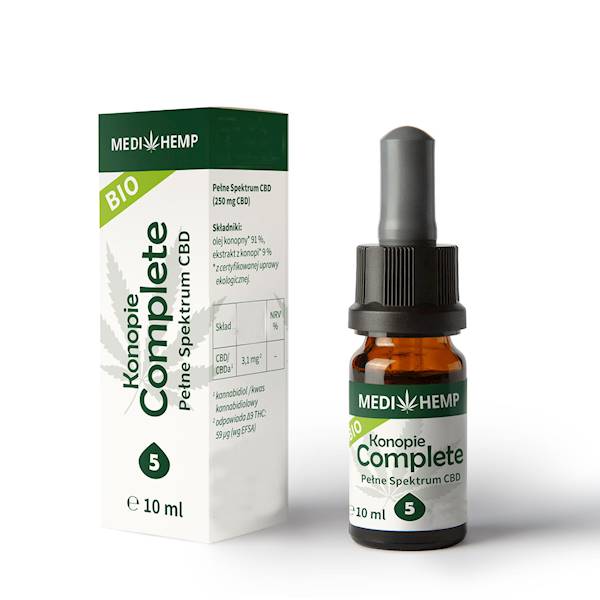
MediHemp Complete 5% CBD + CBDA – RAW BIO hemp oil 10 ml
115,00 zł -
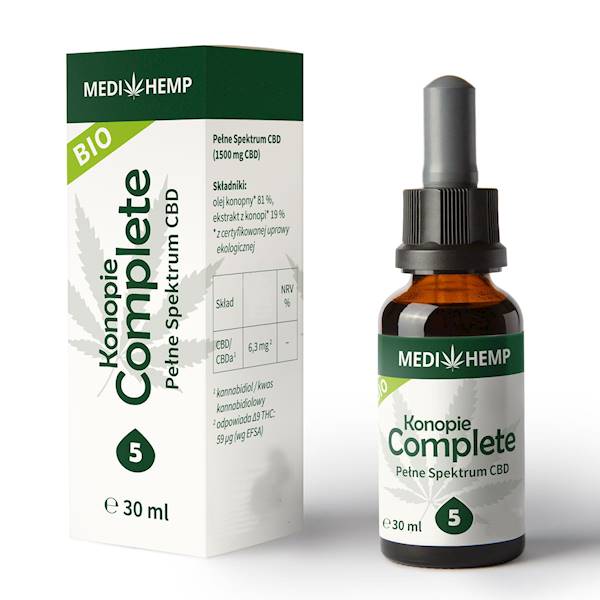
MediHemp Complete 5% CBD + CBDA – RAW BIO hemp oil 30 ml
242,00 zł -
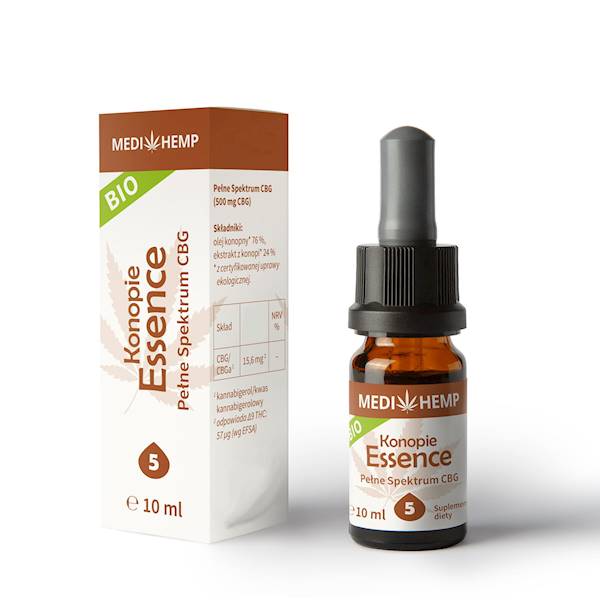
MediHemp Essence CBG 5% – CBG + CBGA hemp oil BIO 10 ml
152,00 zł -
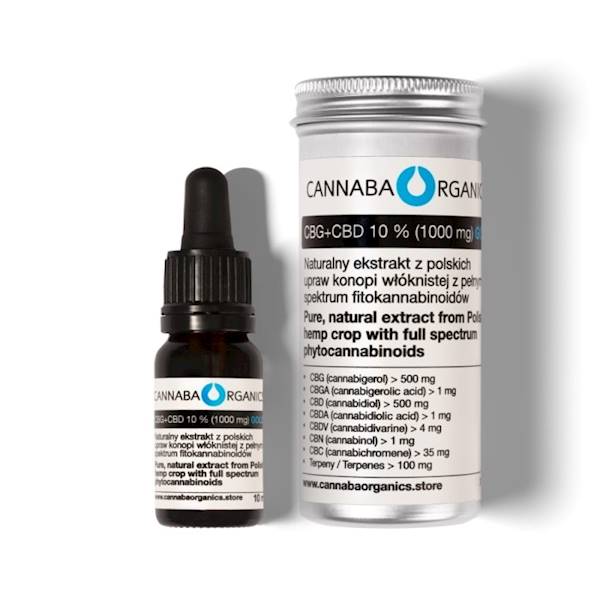
Cannaba Organics GOLD Full Spectrum CBD + CBG Oil 10% – 500 mg CBD + 500 mg CBG, 10 ml
120,00 zł -
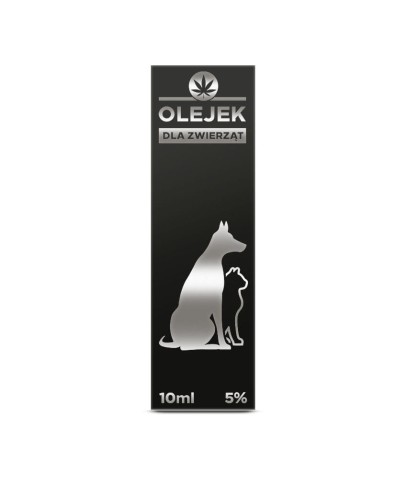
Sativa Poland 5% CBD Oil for Animals – 10 ml, Salmon Oil
84,00 zł -
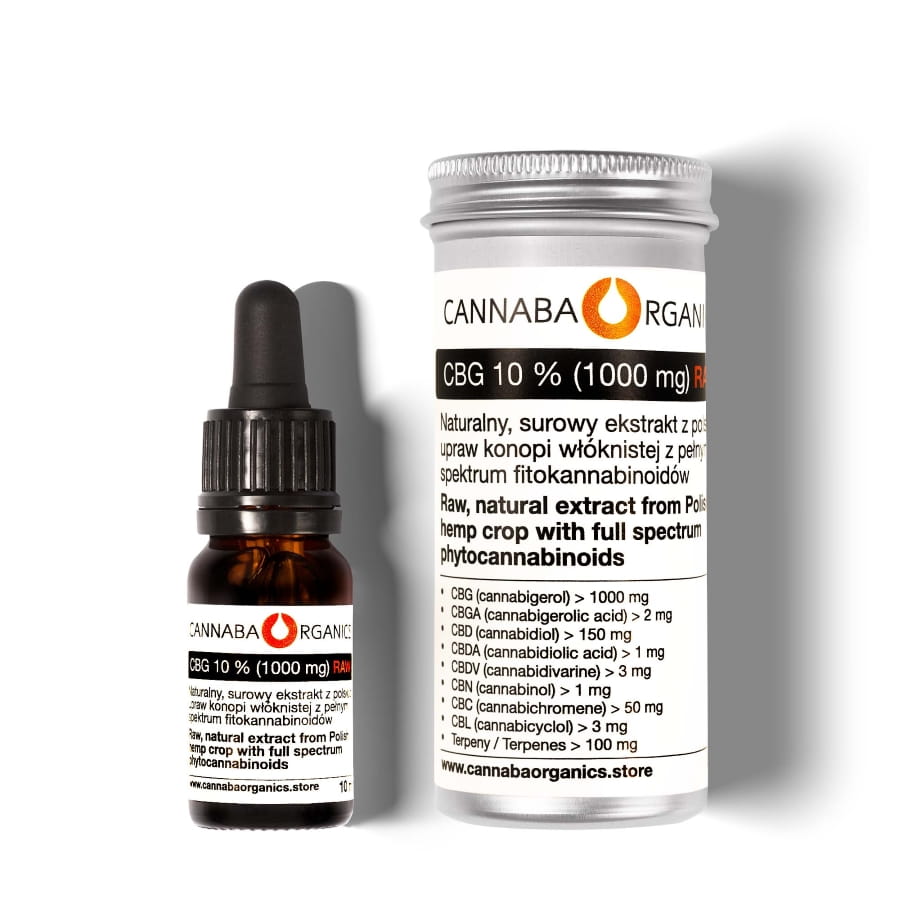
Cannaba Organics RAW Full Spectrum CBG 10% Oil – 1000 mg CBG + CBGA, 10 ml with tin
125,00 zł -
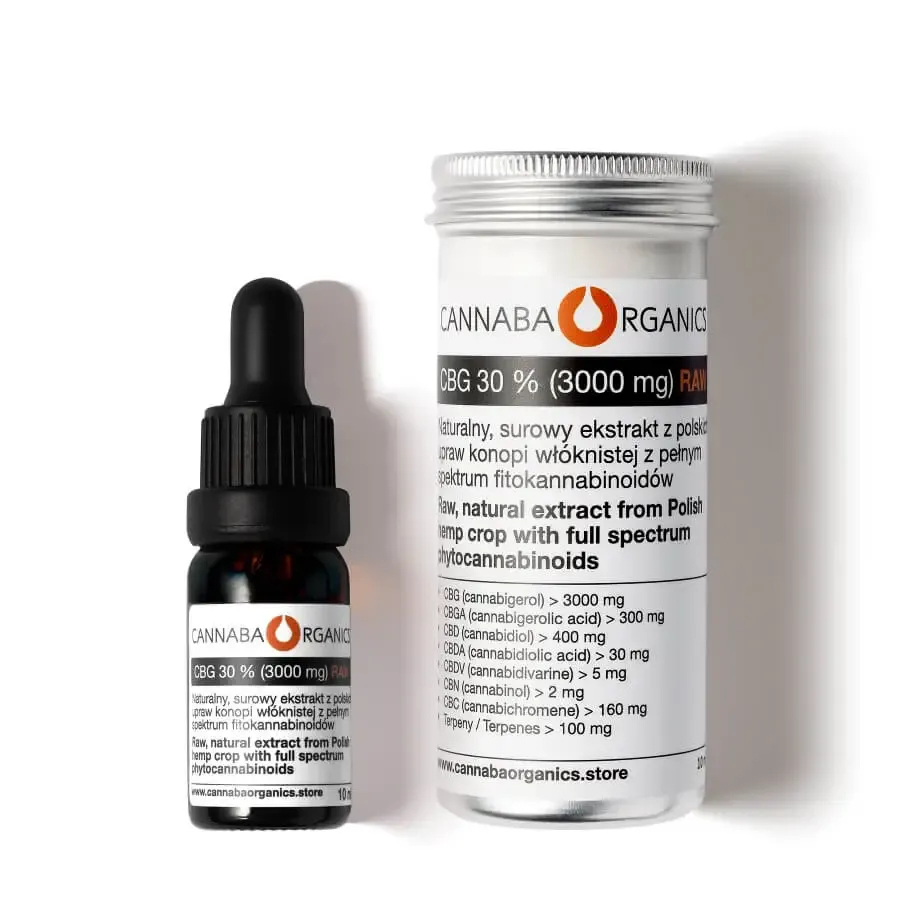
Cannaba Organics RAW CBG Oil 30% – 3000 mg CBG + CBGA, 10 ml with tin
240,00 zł -
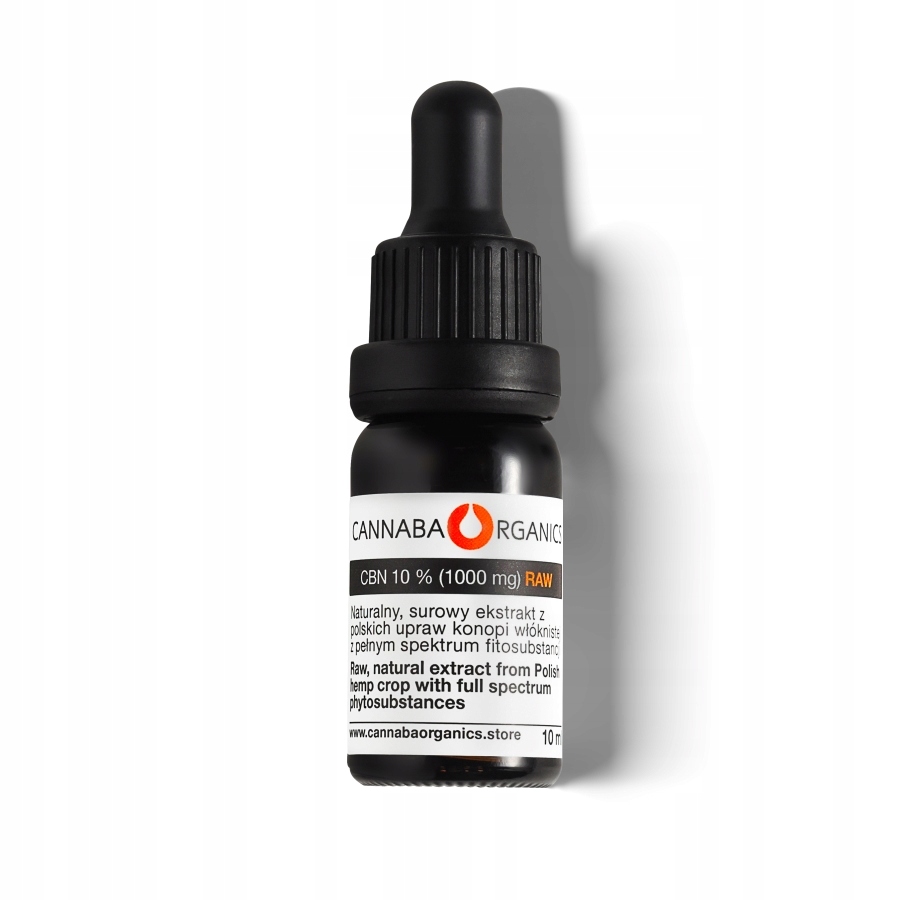
Cannaba Organics RAW Full Spectrum CBN 10% + CBD 5% Oil – 1000 mg CBN + 500 mg CBD, 10 ml
135,00 zł -
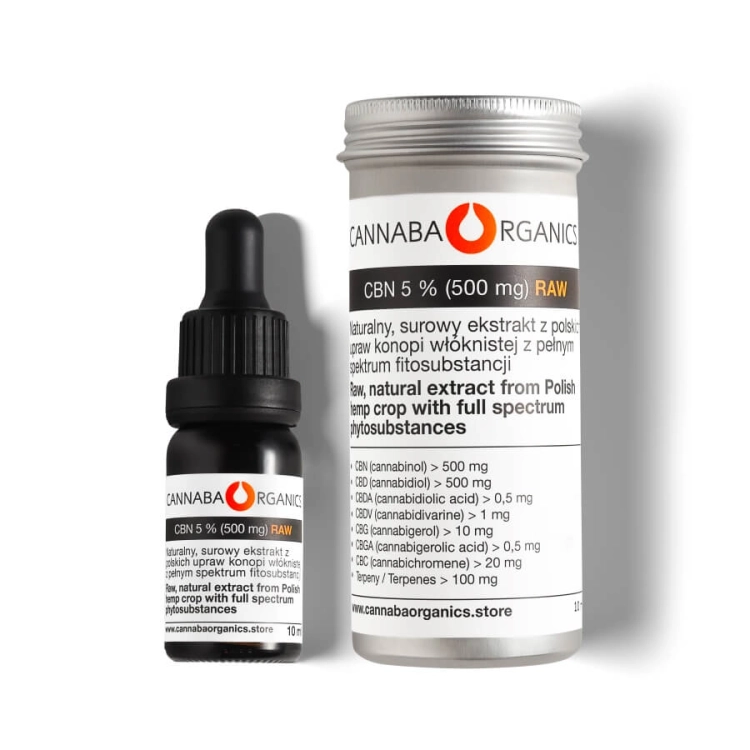
Cannaba Organics RAW Full Spectrum CBN 5% + CBD 5% Oil – 500 mg CBN + 500 mg CBD, 10 ml
95,00 zł -
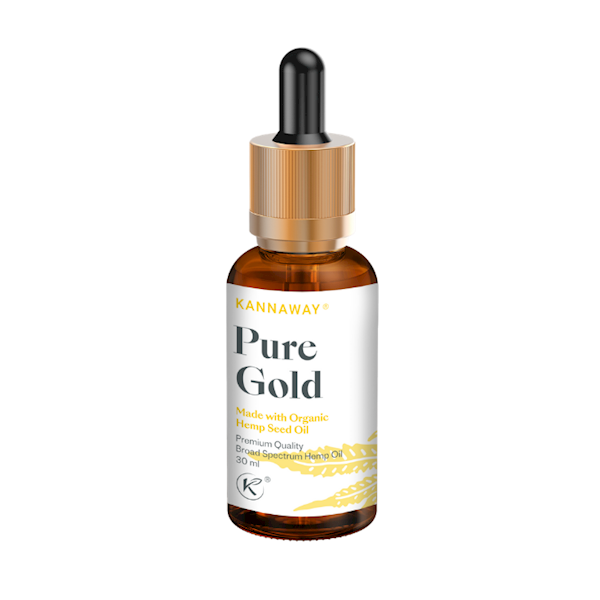
PureGold Kannaway – CBD hemp oil 250 mg 30 ml
140,00 zł
Hemp oils: how do CBD, CBG and seed oil differ?
Under the shared name hemp oils you can find products with completely different compositions. Some contain cannabinoid extracts, such as CBD or CBG. Others are vegetable oils pressed from hemp seeds. The appearance of the bottle or the word “hemp” on the label is not enough to identify the type of product. It’s best to start by checking the ingredients and stated intended use.
Hemp oil, hemp oils and oils from hemp: what do these names mean?
The names hemp oil, hemp oils and oils from hemp do not indicate one single, identical composition. They may refer to products containing CBD or CBG extract, or to oil pressed from hemp seeds. Before comparing prices, check the source of the raw material, whether cannabinoids are present, and the intended use stated on the label. The comparison below makes it easier to distinguish these product groups.
A comparison of three types of hemp oils
| Type | What sets it apart? | What should you check on the label? |
|---|---|---|
| CBD oils | Contain a stated amount of cannabidiol (CBD) in the hemp extract. | Concentration, CBD in mg, volume, type of extract and carrier oil. |
| CBG oils | Contain cannabigerol (CBG), a cannabinoid different from CBD. | CBG in mg, concentration, other ingredients and batch documentation. |
| Hemp seed oil | A vegetable oil obtained from seeds, not an equivalent of CBD extract. | Pressing method, intended use, volume and storage conditions. |
CBD oils – concentrations of 5%, 10%, 15%, 20% and 30%
CBD oil packaging often displays a percentage. It indicates the stated concentration, but when comparing two bottles, you also need to take their volume and total CBD content in milligramsinto account. Two bottles marked with the same percentage may contain different total amounts of CBD if their volumes differ. Always refer to the manufacturer’s information and the way the ingredients are listed.
You can find the full breakdown by concentration and extract type in the category CBD oils.
Full Spectrum, Broad Spectrum or CBD isolate?
These terms refer to the type of extract used, not the product’s potency. Full Spectrum means an extract with a broader profile of plant compounds, which may also include other cannabinoids, including THC, depending on its composition and specifications. Broad Spectrum describes an extract containing many hemp compounds, but its precise profile—including its THC content—must be confirmed in the documentation. CBD isolate is isolated cannabidiol, usually added to a suitable carrier oil. The name of the extract type does not replace test results for the specific batch.
CBG oils – when the name CBD isn’t enough
CBG (cannabigerol) and CBD (cannabidiol) are separate compounds found in hemp. Their names should not be treated as interchangeable, and you should not assume that products with the same percentage have identical compositions. When comparing CBG oils check the amount of CBG in milligrams per package, the volume, the carrier oil and the other ingredients.
Hemp seed oils versus CBD and CBG oils – the key differences
Hemp seed oil is obtained from hemp seeds, not from an extract rich in CBD or CBG. It is a vegetable oil whose characteristics depend, among other things, on the raw material and production method. Check whether the manufacturer identifies it as a food product, a cosmetic product or for another use. Not every product described as “hemp oil” is intended for consumption.
How to compare the ingredients, price and quality of oils
Before comparing prices, make sure you are comparing products of the same type. Pay attention to the package volume, stated amount of CBD or CBG in mg, carrier oil (e.g. hemp seed oil or MCT), other ingredients and type of extract. The price of one bottle does not tell you how much of the stated cannabinoid it contains. If the manufacturer provides a certificate of analysis (COA), check the batch number, analysis date and compounds listed. The presence of a general certificate alone does not confirm the specifications of every package.
Frequently asked questions about hemp oils
Is hemp oil the same as CBD oil?
No. Hemp seed oil and oil containing CBD extract are different products. Their composition is determined by the manufacturer’s specifications, not by a similar name.
Does a higher CBD concentration mean higher quality?
No. The percentage is just one parameter. The composition, documentation, amount of CBD in mg and the way the concentration is stated also matter.
Which matters more: the percentage or the number of milligrams?
Both figures should be read together with the bottle’s volume. The percentage describes the concentration, while the number of milligrams indicates the stated amount of a particular cannabinoid.
Are CBG and CBD oils the same extract?
No. CBG and CBD are different cannabinoids. Products may also differ in their carrier oil, type of extract and other ingredients.
Does every hemp oil contain THC?
You cannot assume that it does—or rule it out—based solely on the name “hemp.” Check the ingredients and test results for the specific batch, if available.
Can every hemp oil be consumed?
No. A product’s intended use is determined by its labeling and applicable classification. Cosmetic oils, food oils and other products should not be treated as interchangeable.
Choose the appropriate product group: CBD oils, CBG oils or hemp seed oil.
The differences between the raw materials are explained in the guide seed oil versus CBD oil.