
Home / Product categories
Vaporizers
Vaporizers – a selection of models and technical data for devices from various manufacturers. Specifications, declared intended use, and safety information are provided in the documentation for each specific model.
-
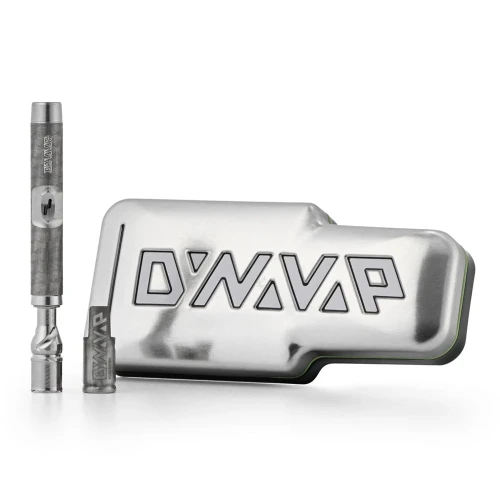
DynaVap VapCap M7 2024 – manual vaporizer
439,00 zł -
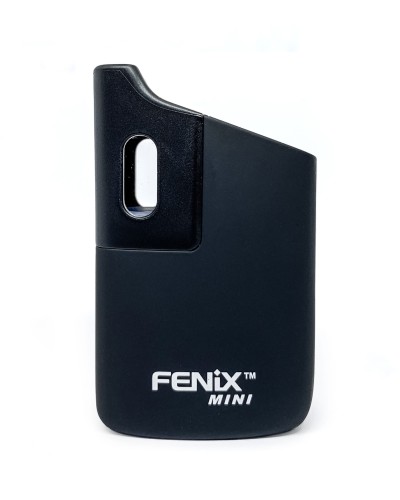
Fenix MINI – portable dry herb vaporizer
289,00 zł -
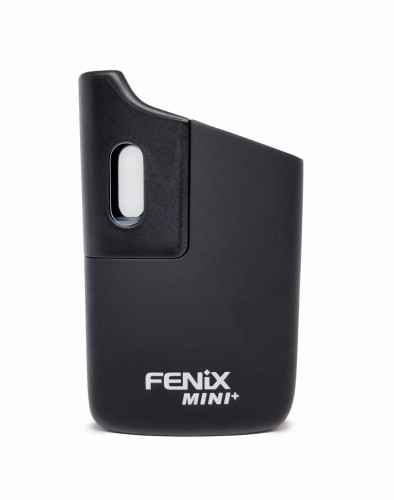
Fenix MINI+ Plus – portable dry herb vaporizer
349,00 zł -
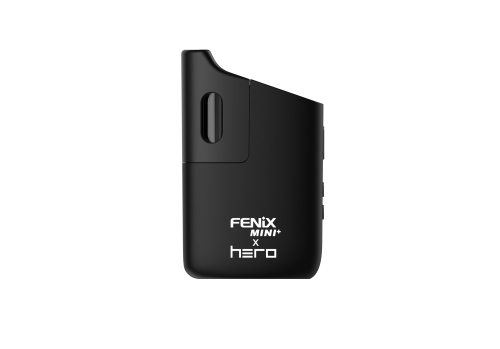
FENIX MINI+ x HERO – portable dry herb vaporizer
349,00 zł -
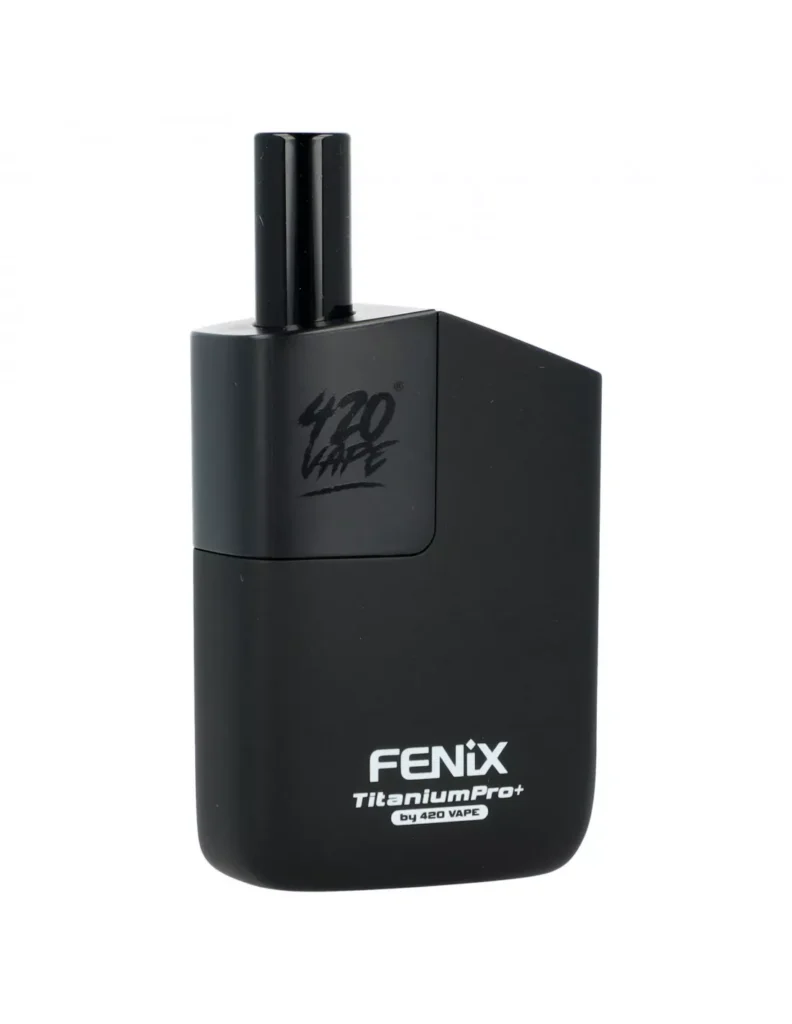
Fenix Titanium PRO+ 420VAPE – vaporizer with a titanium chamber
399,00 zł -
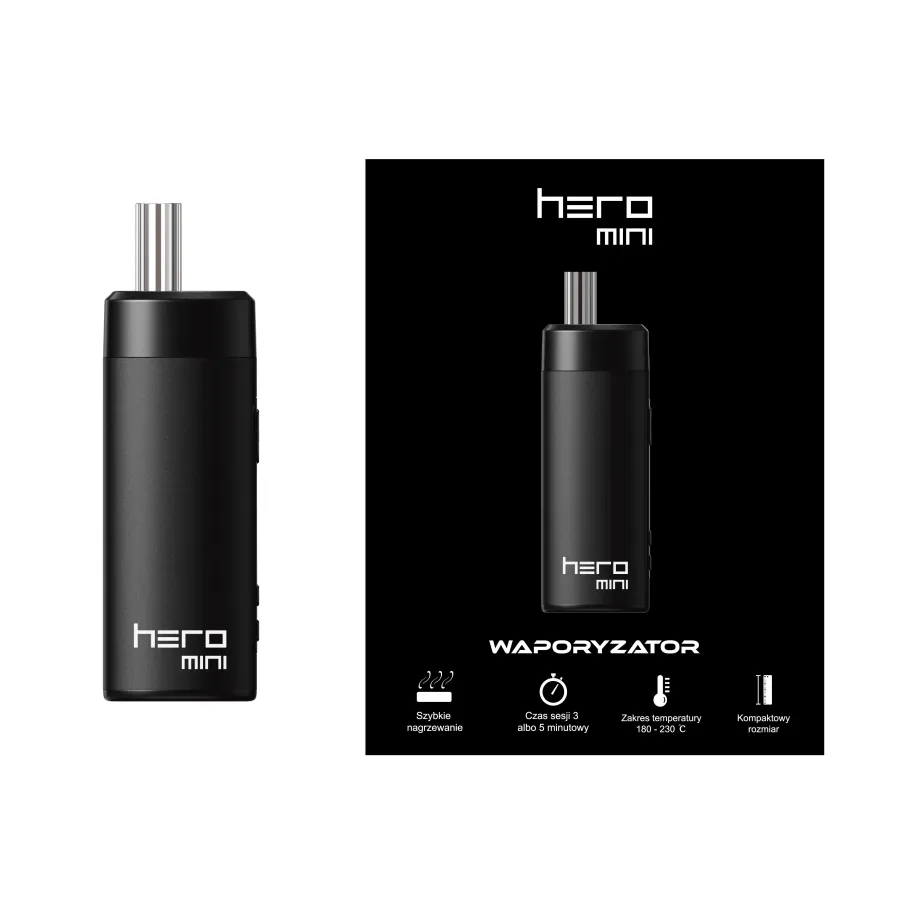
HERO MINI – portable dry herb vaporizer, black
269,00 zł -
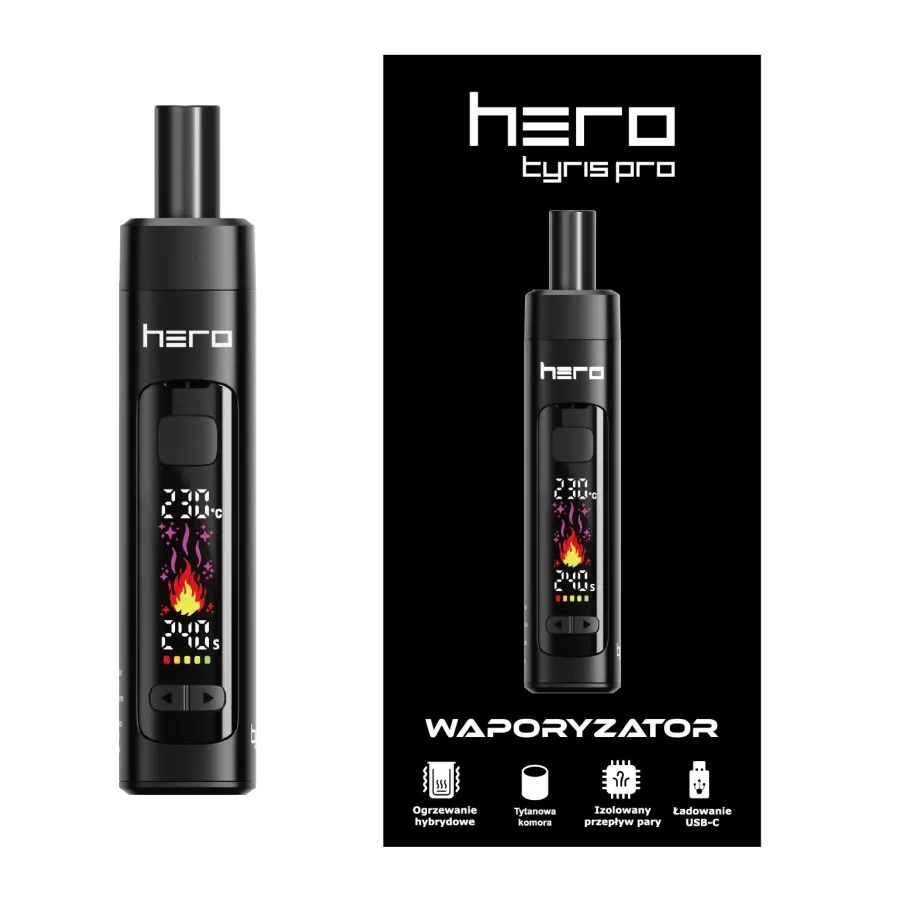
HERO TYRIS PRO – portable vaporizer with a titanium chamber
439,00 zł -
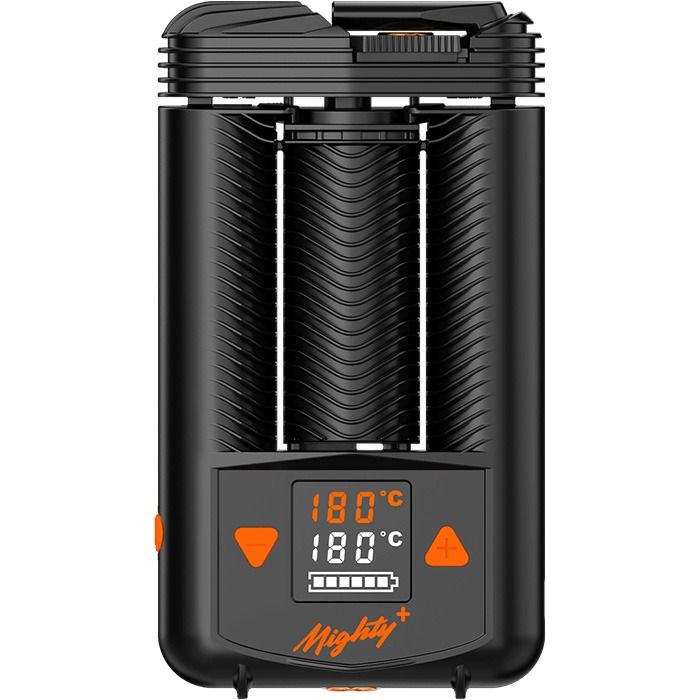
Storz & Bickel MIGHTY+ MEDIC – medical vaporizer
1 299,00 zł -
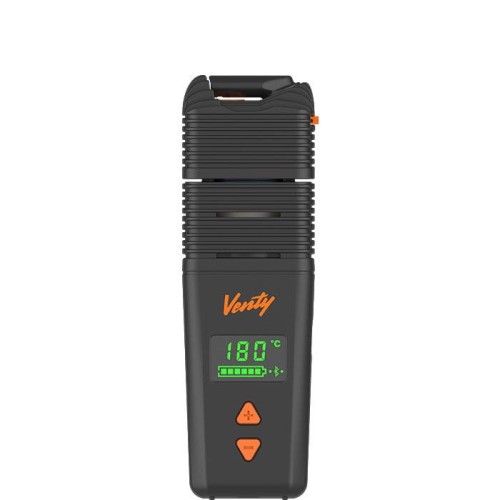
Storz & Bickel VENTY – portable vaporizer for dry herbs
1 395,00 zł -
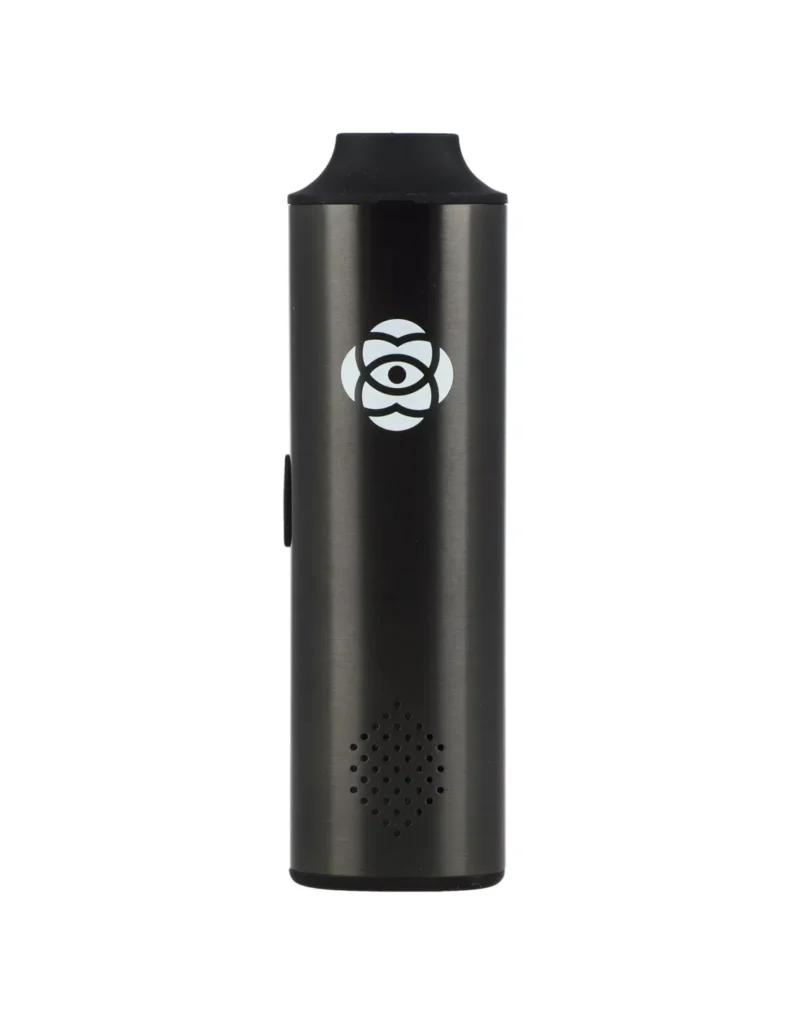
Trippy 2 by High Labs – dry herb vaporizer, black
349,00 zł -
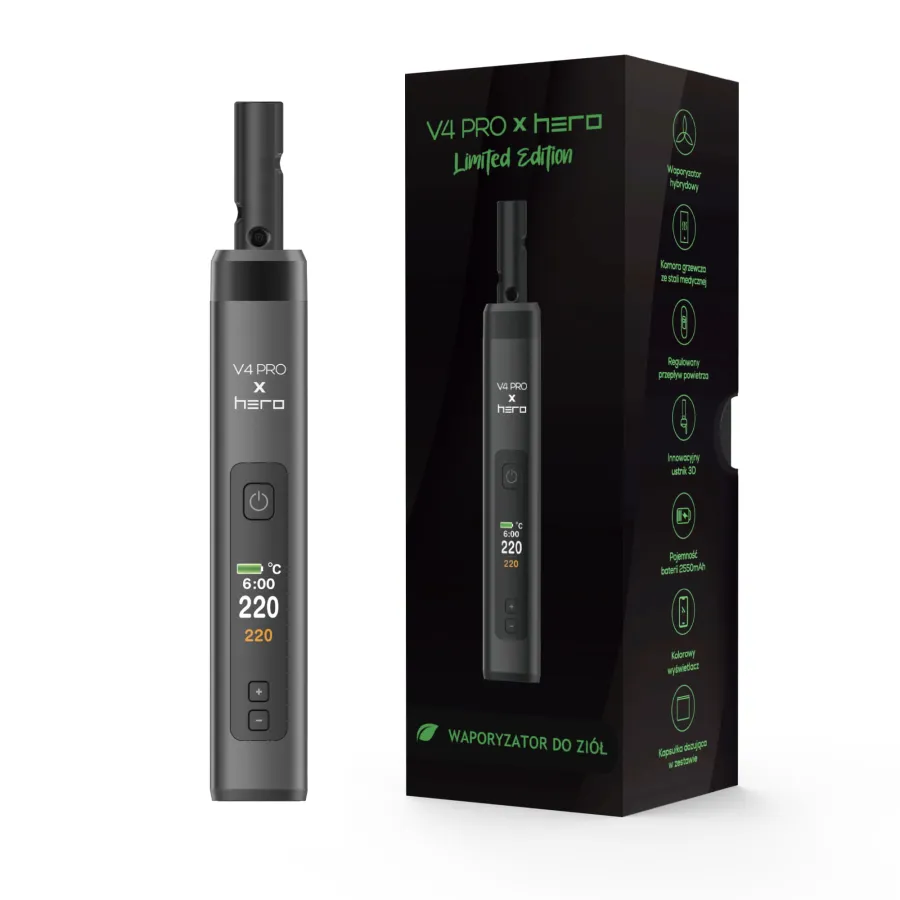
X-MAX V4 Pro x HERO Limited Edition – black vaporizer
479,00 zł -
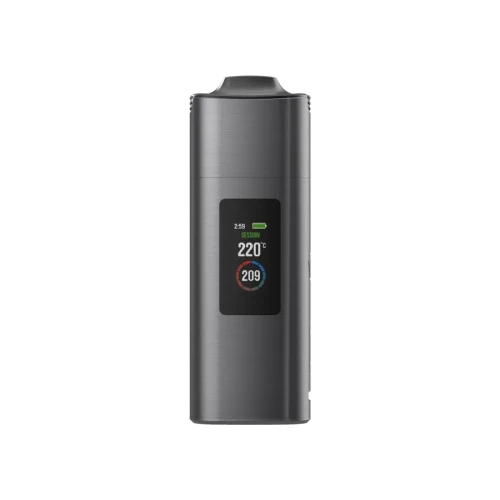
XLUX ROFFU x HERO Limited Edition – portable vaporizer
549,00 zł -
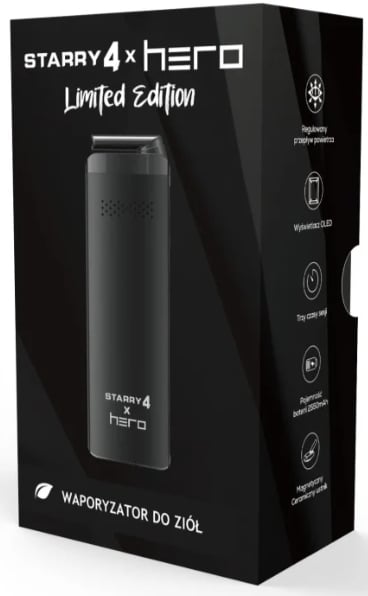
XMAX Starry 4 x HERO Limited Edition – Black Vaporizer
389,00 zł -
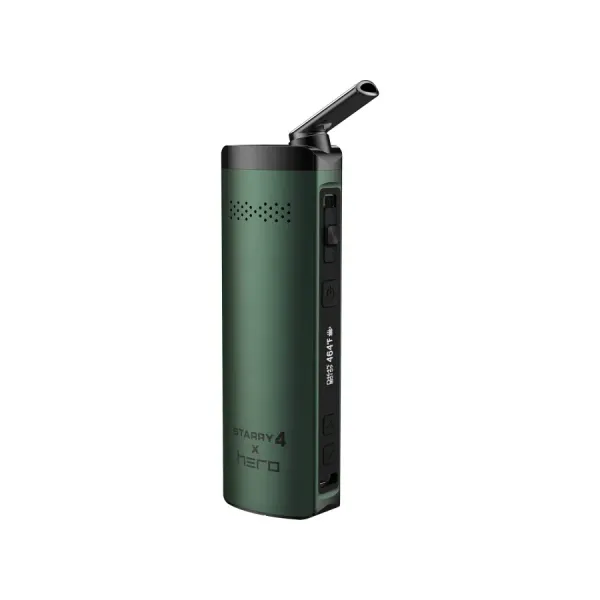
XMAX Starry 4 x HERO Limited Edition – Green Vaporizer
389,00 zł -
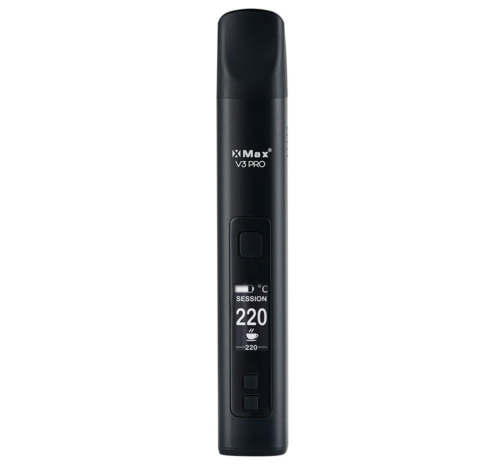
XMAX V3 Pro – portable dry herb vaporizer, black
345,00 zł -
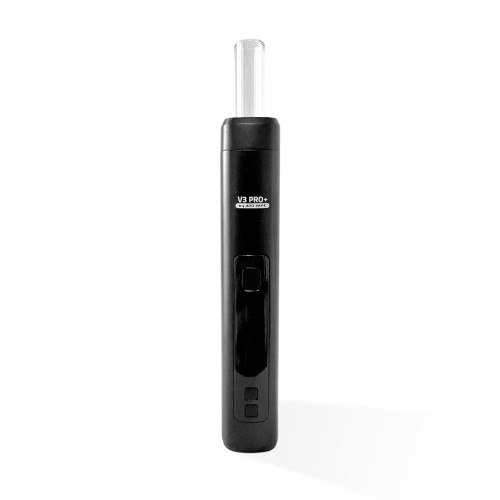
XMAX V3 Pro Plus 420VAPE – herbal vaporizer, black
349,00 zł
Dry herb vaporizers – types, technology and choosing a device
A vaporizer is a device that heats material according to the parameters specified by the manufacturer. Dry herb vaporizers can differ in design, heating method, chamber size, power source and control system. When choosing one, it is worth distinguishing technical features from marketing claims: neither a brand name nor a high price is a substitute for comparing actual specifications.
Portable or desktop vaporizer – a comparison
| Type | Typical features | What to consider? |
|---|---|---|
| Portable vaporizer | Compact housing, battery power in many models. | Runtime, replaceable battery option, USB-C charging, parts availability. |
| Desktop vaporizer | Larger housing and usually mains power. | Where it will be used, cord length, controls and maintenance method. |
| Convection vaporizer | Material is heated primarily by a flow of hot air. | Airflow, temperature control and chamber design. |
| Conduction vaporizer | Heat is transferred mainly through contact with a heated surface. | Evenness of heating and ease of cleaning the chamber. |
| Hybrid vaporizer | Combines more than one heating mechanism. | The actual description of the heating system and the specifications of the specific model. |
Convection, conduction and hybrid heating – what’s the difference?
In a convection system, the heat source is primarily the air flowing through the chamber. With conduction, the material is heated mainly through contact with the chamber walls. Hybrid devices may use both mechanisms. In practice, the chamber geometry, airflow, quality of temperature control and overall device design also matter. The description “convection” or “hybrid” alone is not enough to assess how it performs.
Dry herb vaporizer vs. a device for concentrates or e-liquids
Not every vaporizer is compatible with every material. A device designed for dry herbs may not be suitable for concentrates, oils, or e-liquids. Compatibility of this kind must be stated in the instructions and specifications for the particular model. Do not assume compatibility based on the device’s similar appearance. Also see the separate category for CBD hemp flower; the description of a specific device should indicate the materials approved by the manufacturer.
Temperature control – what specifications should you check?
Devices may offer preset settings, continuous adjustment, or several programmed modes. It is worth checking the temperature range stated by the manufacturer, how the current value is displayed, and how stable the controls are. Not all models allow you to set the temperature in one-degree increments. Do not assume that one universal temperature is suitable for every material, or use a device outside the conditions described in its instructions.
Battery, USB-C, and mains power
For portable models, compare the stated operating time, battery type, charging time, and whether the battery is replaceable. The presence of a USB-C port does not guarantee the same charging speed. The device’s serviceability and the availability of a suitable charger are also important. For desktop versions, the required power supply and whether the device can be conveniently placed in its intended location will be relevant.
Heating chamber, mouthpiece, and vapor path
Device specifications may list stainless steel, ceramic, glass, and other materials. Check what the chamber, mouthpiece, and parts requiring maintenance are made of. It is worth comparing whether individual parts can be disassembled and washed, as well as the availability of replacement screens, seals, and mouthpieces. Marketing terms such as “premium” do not replace a list of materials or information about conditions of use.
A vaporizer for beginners – a simple way to compare
Start by choosing the type of device and how you expect to use it, then compare how easy the controls are to read, whether it has a display, how convenient it is to clean, the heating time, and the user manual. Check whether the manufacturer provides documentation in a language you understand, spare parts, and servicing. There is no need to choose the most advanced model just because it has more modes; matching the specifications to your actual needs is more important.
Vaporizers by brand – how to compare devices
Brands found on the market include Storz & Bickel, XMAX, Fenix, PAX, Arizer, and DynaVap. This does not mean that all their models are available at Biolimp. Rather than comparing only the logo on the casing, it is worth comparing the specific specifications: heating system, power source, control settings, materials, servicing, and warranty terms. Check product pages to confirm the availability of individual models.
Frequently asked questions about vaporizers
What is the difference between a dry herb vaporizer and a vaporizer for e-liquids?
They differ in design and intended use. Check the instructions for the specific device to confirm which materials it is compatible with.
Is a portable vaporizer worse than a desktop one?
This does not follow from the device type. The two options have different features, and quality depends on the specific model.
Do all vaporizers have temperature control?
No. Some offer only preset programs or a limited number of settings.
Does a USB-C port mean the battery is replaceable?
No. The charging port and the battery design are separate specifications.
Is any vaporizer with a CE marking a medical vaporizer?
No. Medical-device status must be supported by the relevant documentation and stated intended purpose; a CE marking alone is not enough.
Is aerosol from a vaporizer risk-free?
Heating without an open flame does not guarantee the absence of harmful substances or health risks.
What should you check before buying a vaporizer?
Intended use, heating system, power source, temperature control, materials, availability of spare parts, and warranty terms.
Compare the device specifications with the manufacturer’s information, and also see CBD hemp flower and related hemp products.