
Home / Product categories
CBD oils
CBD oils – information about concentrations of 5%, 10%, 15%, 20%, and 30%, volumes, and types of extracts. Detailed composition and declared parameters are listed on the individual product pages.
CBD dosage calculator – an informational tool for converting CBD quantities into milligrams, milliliters, and drops.
CBD oils by concentration
CBD oils by extract type
-
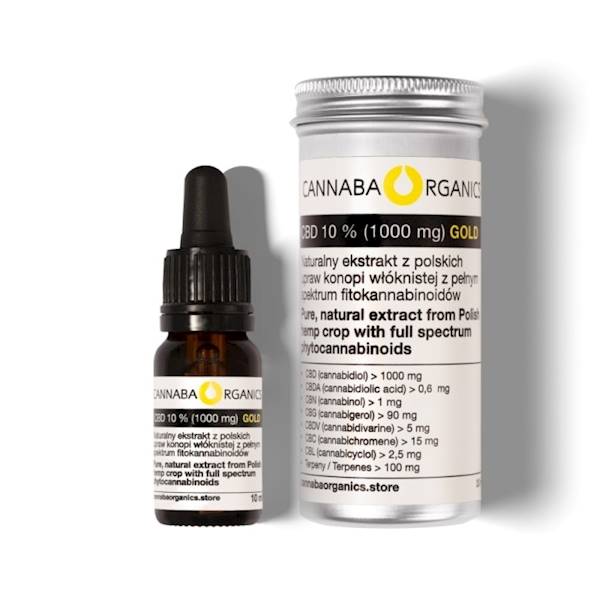
Cannaba Organics Gold CBD 10% – 1000 mg Full Spectrum, 10 ml
120,00 zł -
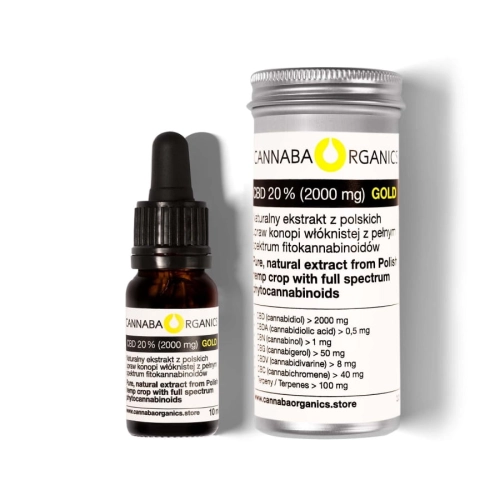
Cannaba Organics GOLD CBD 20% – 2000 mg Full Spectrum, 10 ml with tin
165,00 zł -
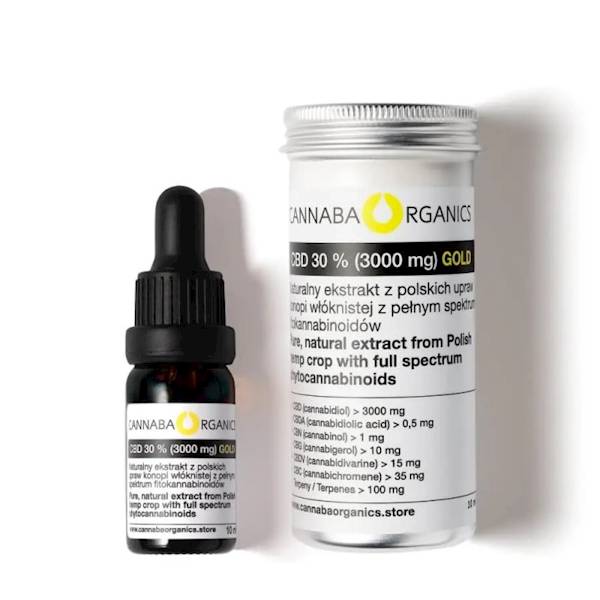
Cannaba Organics GOLD CBD 30% – 3000 mg Full Spectrum, 10 ml
240,00 zł -
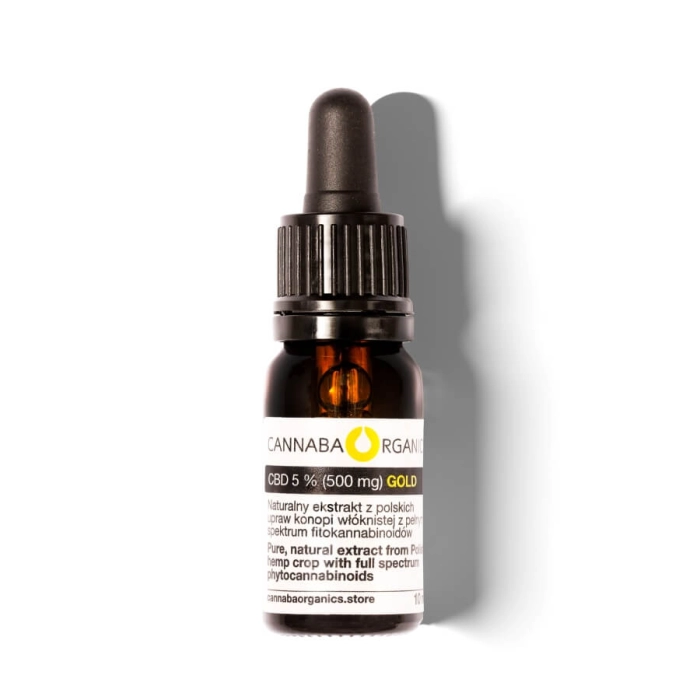
Cannaba Organics GOLD CBD 5% – 500 mg Full Spectrum, 10 ml with tin
75,00 zł -
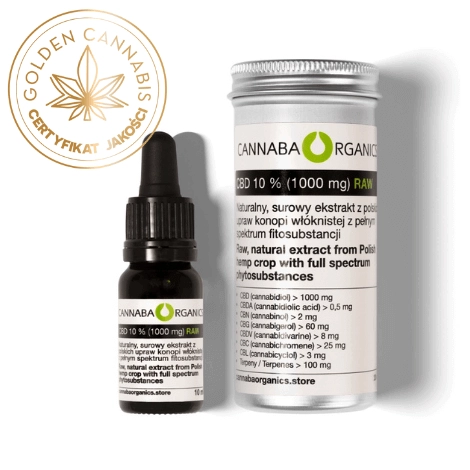
Cannaba Organics RAW CBD 10% – 1000 mg + CBDA Full Spectrum, 10 ml
135,00 zł -
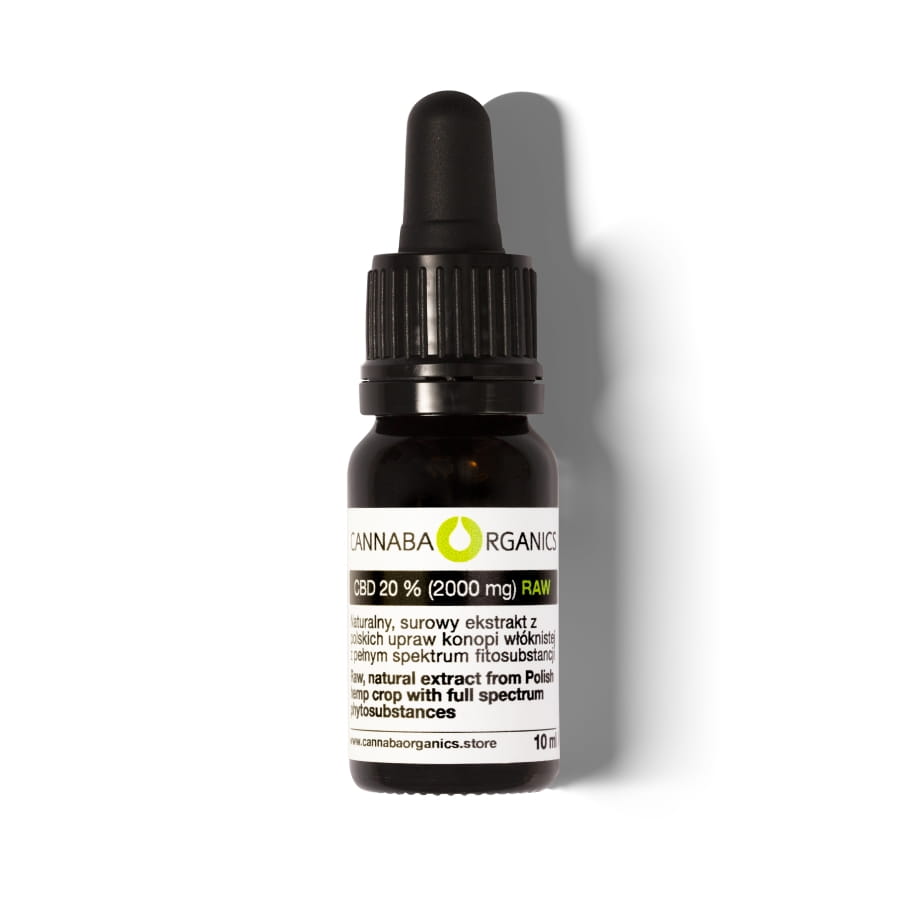
Cannaba Organics RAW CBD 20% – 2000 mg + CBDA Full Spectrum, 10 ml with Tin
185,00 zł -
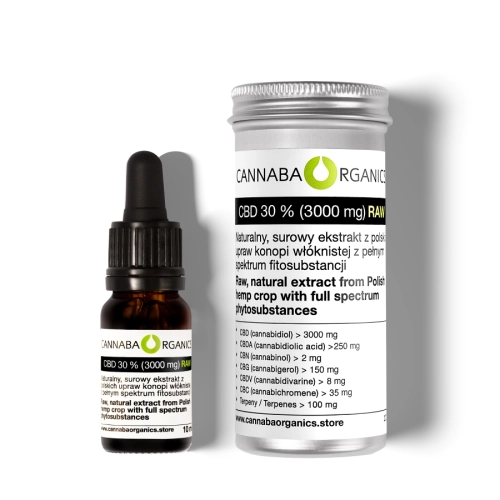
Cannaba Organics RAW CBD 30% – 3000 mg Full Spectrum, 10 ml with Tin
260,00 zł -
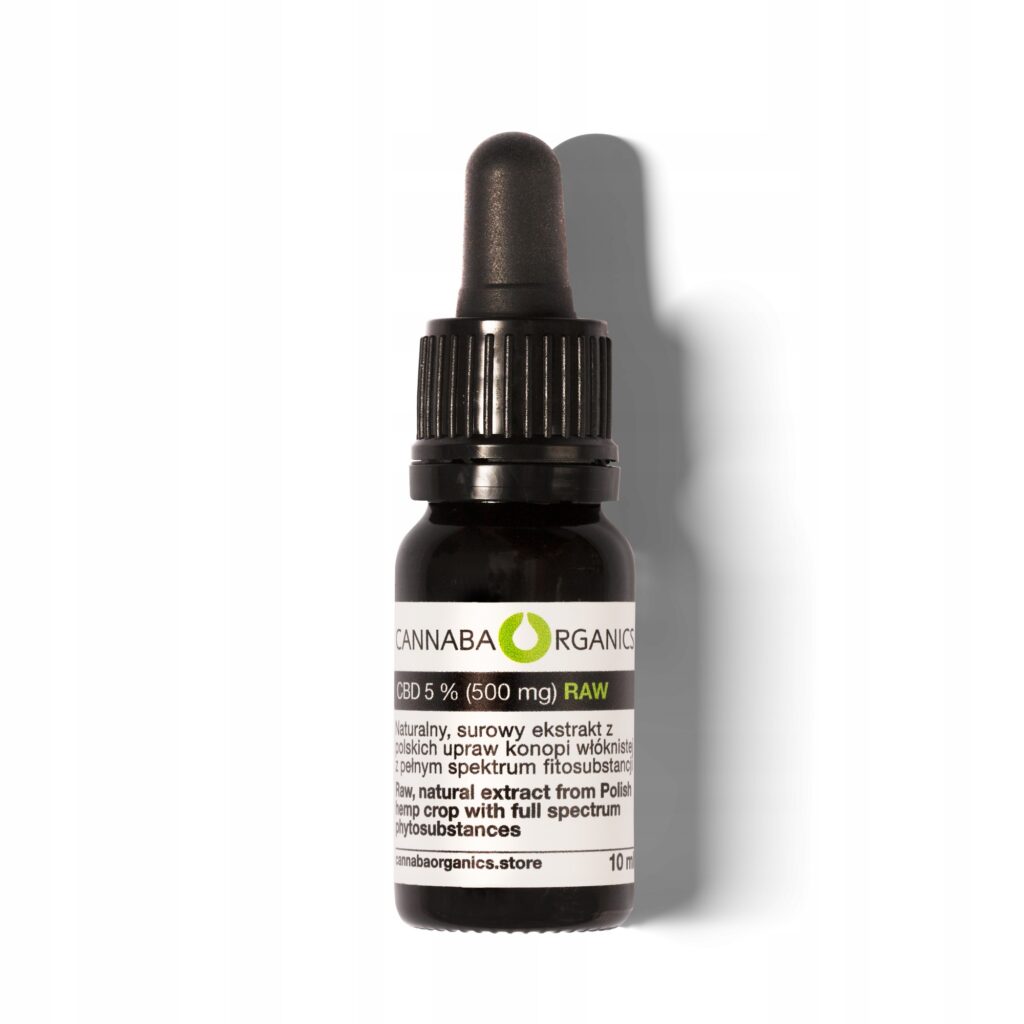
Cannaba Organics RAW CBD 5% – 500 mg + CBDA Full Spectrum, 10 ml with tin
88,00 zł -
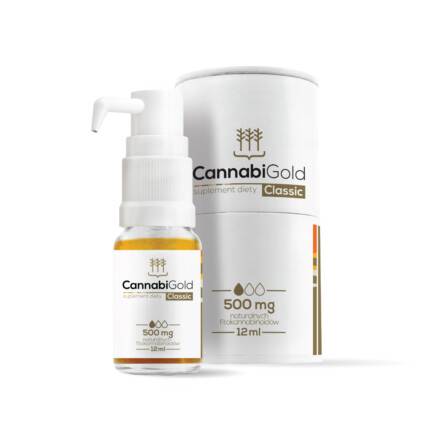
CannabiGold Classic 500 mg CBD (5%) – hemp oil 12 ml
85,00 zł -
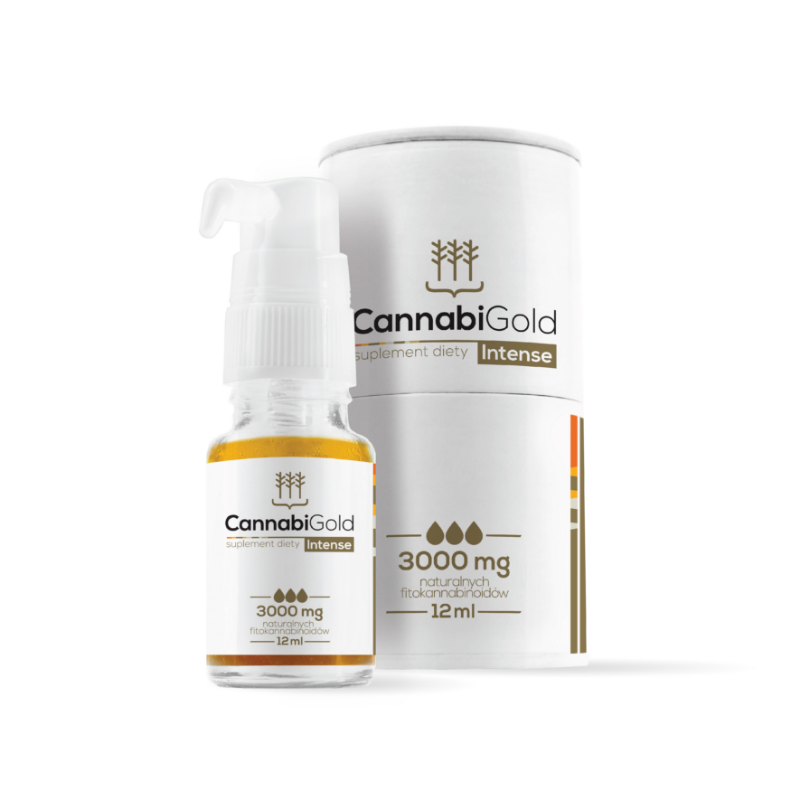
CannabiGold Intense 3000 mg CBD (30%) – 12 ml Full Spectrum oil
350,00 zł -
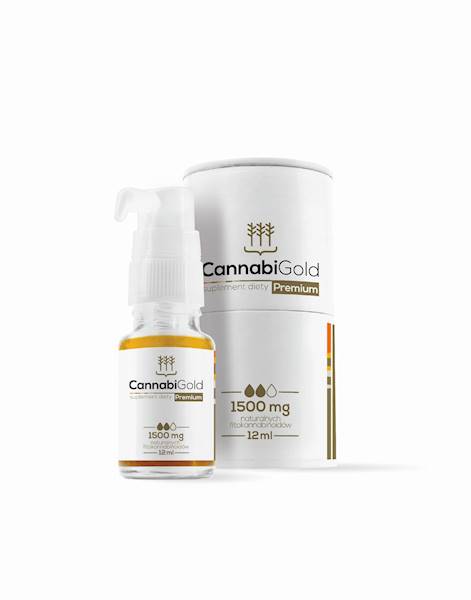
CannabiGold Premium 1500 mg CBD (15%) – 12 ml hemp oil
215,00 zł -
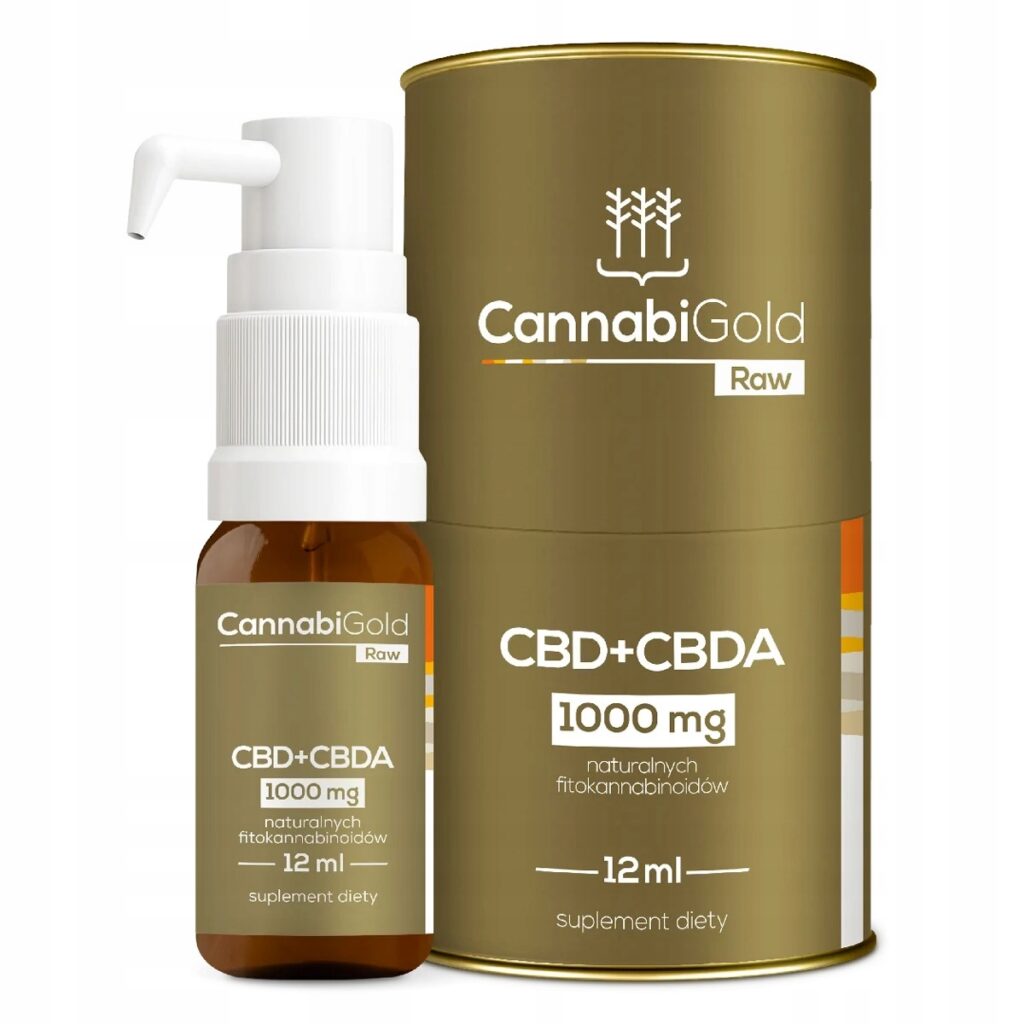
CannabiGold RAW 1000 mg CBD + CBDA – 700 mg CBD and 300 mg CBDA, 12 ml
169,00 zł -
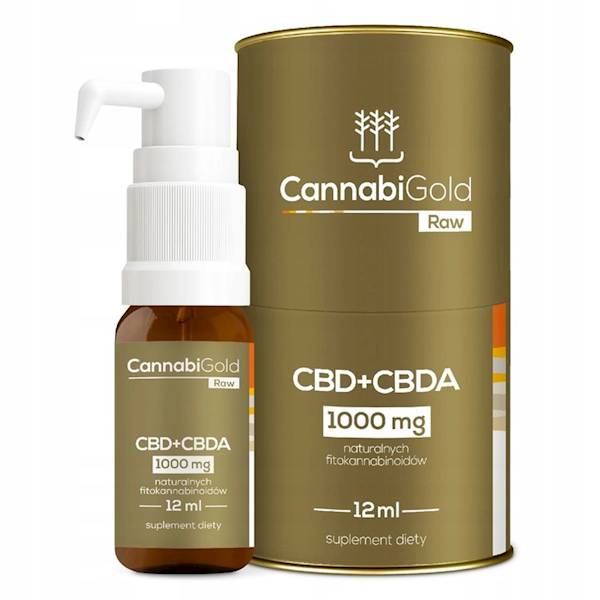
CannabiGold RAW 500 mg CBD + CBDA – hemp oil 12 ml
149,00 zł -
CannabiGold Select 1000 mg CBD (10%) – 12 ml hemp oil
150,00 zł -
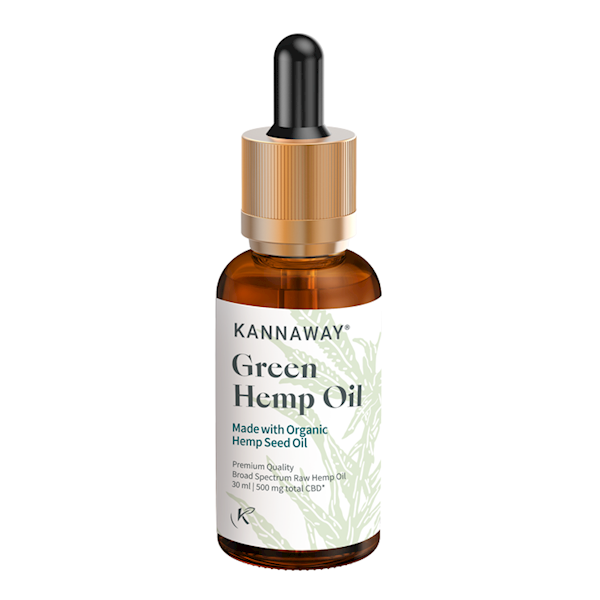
Kannaway Green Hemp Oil RAW – CBD + CBDA hemp oil 500 mg 30 ml
320,00 zł -
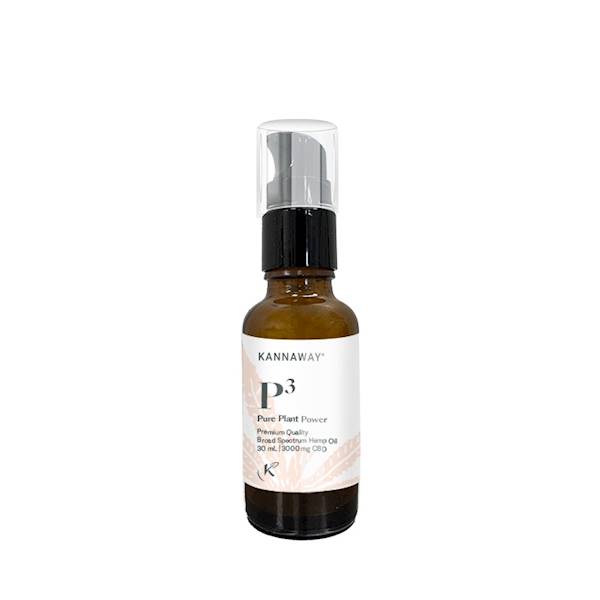
Kannaway P3 Pure Plant Power – 3000 mg CBD Oil, 30 ml with Pump
990,00 zł -
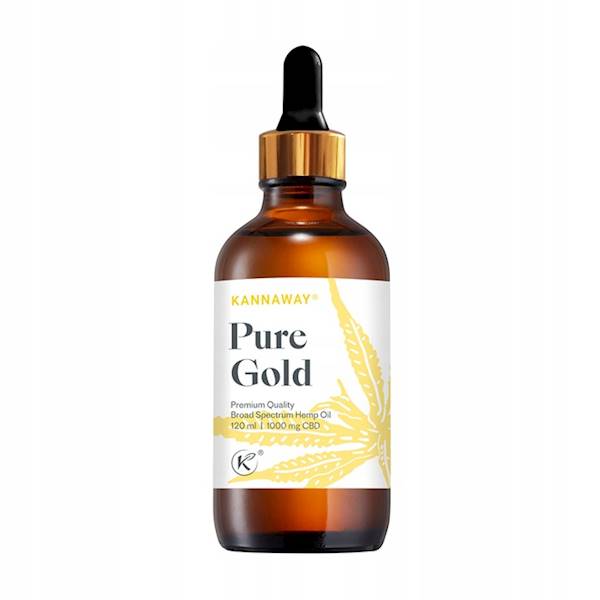
Kannaway Pure Gold – 1000 mg CBD hemp oil, 120 ml
320,00 zł -
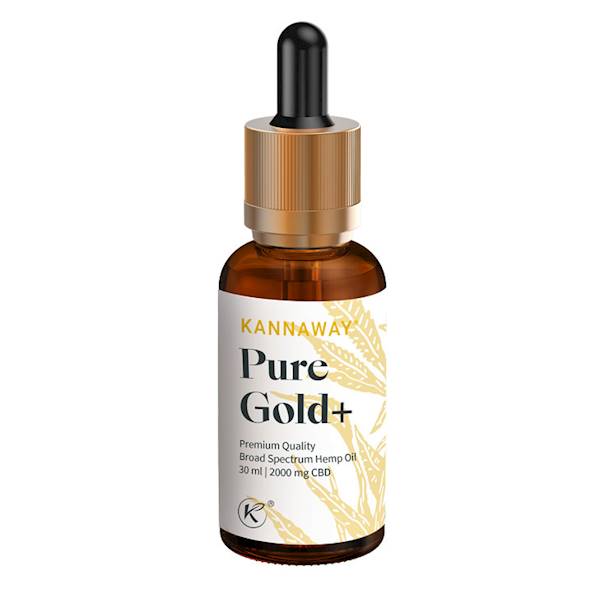
Kannaway Pure Gold – 2000 mg CBD hemp oil 30 ml
699,00 zł -
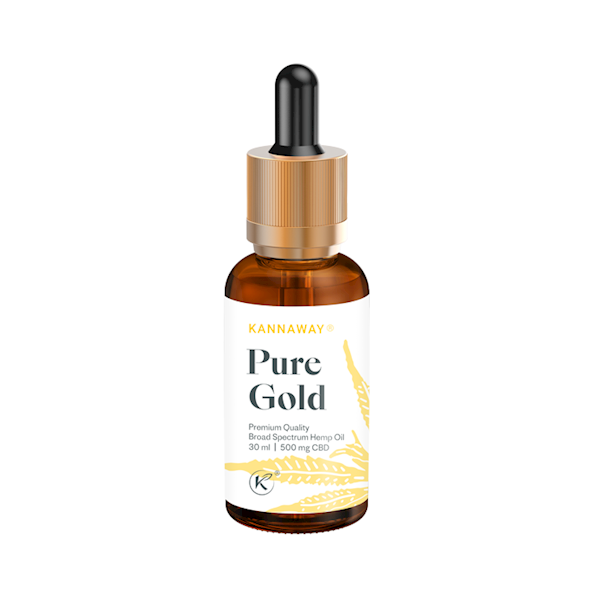
Kannaway Pure Gold – CBD hemp oil 500 mg 30 ml
260,00 zł -
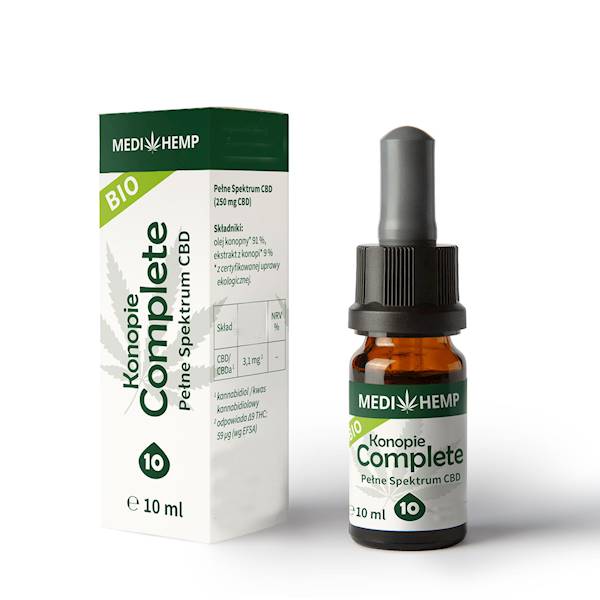
MediHemp Complete 10% CBD + CBDA – RAW organic hemp oil 10 ml
225,00 zł -
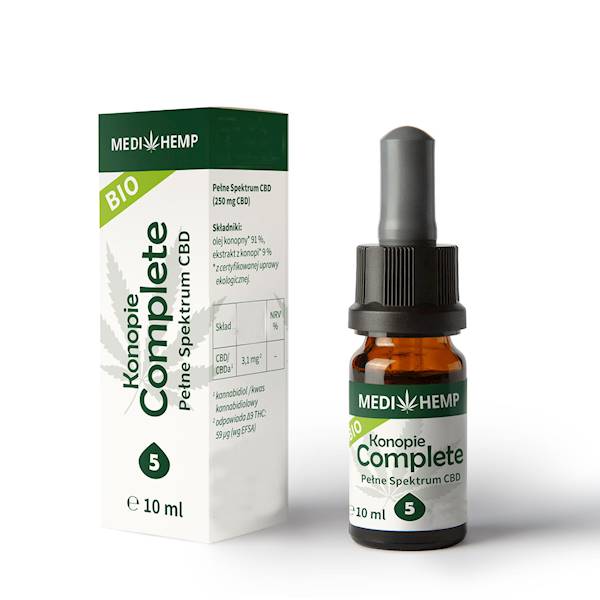
MediHemp Complete 5% CBD + CBDA – RAW BIO hemp oil 10 ml
115,00 zł -
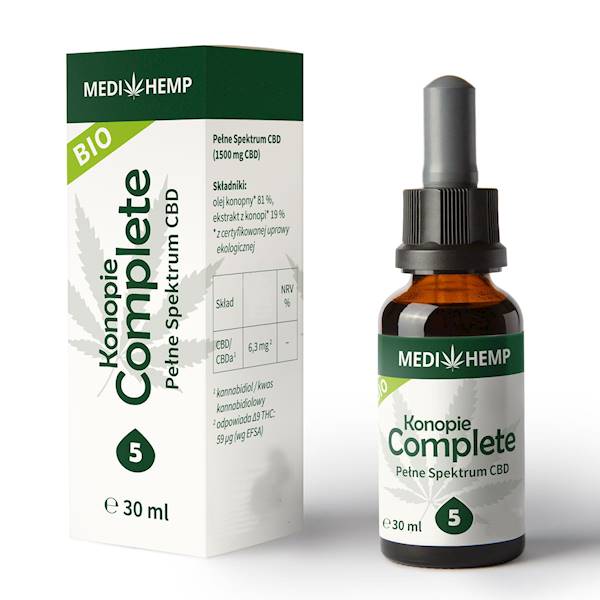
MediHemp Complete 5% CBD + CBDA – RAW BIO hemp oil 30 ml
242,00 zł -
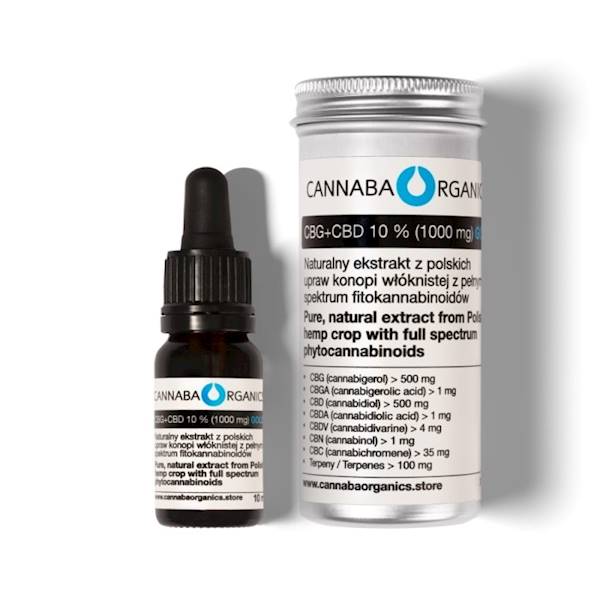
Cannaba Organics GOLD Full Spectrum CBD + CBG Oil 10% – 500 mg CBD + 500 mg CBG, 10 ml
120,00 zł -
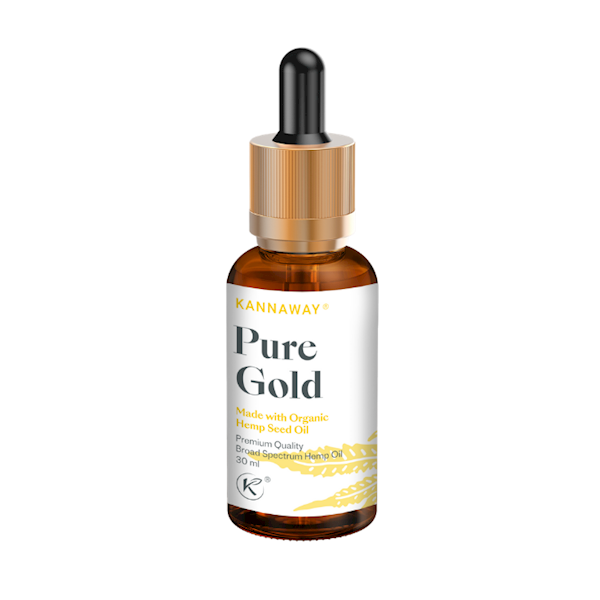
PureGold Kannaway – CBD hemp oil 250 mg 30 ml
140,00 zł
CBD oil and CBD oils – concentrations, ingredients, and extract types
CBD oil is a colloquial term for a product containing cannabidiol (CBD) in a specified carrier. The name CBD oils covers many variants that differ in concentration, total amount of CBD, type of extract, and ingredients. These are the parameters worth comparing, rather than relying solely on the variety name, packaging appearance, or percentage shown on the label. Below, we explain how the products differ and how to read their specifications.
CBD oils 5%, 10%, 15%, 20%, and 30% – what does the concentration mean?
The percentage on the label describes the stated CBD concentration, but it does not always tell you how many milligrams of cannabidiol are in the entire bottle. To make a reliable comparison, you also need the bottle’s volume and the manufacturer’s method for stating the content. For example, two oils labeled 10% may contain different total amounts of CBD if they are sold in containers of different volumes. Also pay attention to any differences in how CBD and CBD/CBDA are stated.
The individual subcategories let you browse oils by concentration. However, a higher concentration alone is not proof of higher quality; ingredients, carrier oil, and batch documentation also contribute to the assessment.
Full Spectrum, Broad Spectrum, and isolate – comparing CBD oils
| Extract type | Description | What should you verify? |
|---|---|---|
| Full Spectrum | An extract with a broader profile of plant compounds, potentially including THC. | The cannabinoid profile, THC content, and test results for the specific batch. |
| Broad Spectrum | An extract containing multiple hemp compounds; its profile depends on the production method. | The stated information about THC and the actual profile shown in the laboratory report. |
| CBD isolate | Isolated cannabidiol combined with a suitable carrier. | CBD content, carrier ingredients, and any additional ingredients in the finished product. |
The terms Full Spectrum, Broad Spectrum, and isolate describe the type of extract, not the concentration level. A 10% CBD oil may have a different extract profile from another product with the same concentration. The trade name alone does not confirm whether THC is present or absent.
CBD in mg, volume, and carrier – how to read the label?
Check the stated total CBD content in mg, percentage concentration, number of milliliters, and full list of ingredients on the label. It is worth checking which oil acts as the extract’s carrier: this may be, for example, hemp seed oil or MCT oil, but the manufacturer’s information determines the actual composition. When comparing the prices of two bottles, compare similar parameters rather than relying on the price of the package alone. Not every product called “hemp oil” contains CBD extract.
CBD oil and hemp seed oil
These are two different types of products. Hemp seed oil is a plant oil pressed from hemp seeds. CBD oil contains a stated amount of cannabidiol derived from an extract or isolate. The names can be similar, so these products should be distinguished by their ingredients and intended use, not just by the word “hemp.” See also the parent category hemp oils and the separate category CBG oils.
How to check the documentation for CBD oil?
For laboratory reports (COAs) provided by the manufacturer, it is important to check that the batch number matches the product, as well as the test date, the range of compounds analyzed, and the units used for the results. A report for a different batch or a general statement that a product has been “laboratory tested” does not automatically confirm the specifications of a specific bottle. Also check the manufacturer’s details, ingredients, intended use, and the information required for its product category.
Frequently asked questions about CBD oils
CBD oil 5% or 10% – what is the difference?
The difference in the name indicates the stated CBD concentration. The products may also differ in volume, total CBD content in mg, type of extract, and carrier. They should not be assessed on the basis of the percentage alone.
Is 20% CBD oil better than 10%?
A higher concentration does not automatically mean higher quality. The ingredients, reliability of the manufacturer’s claims, batch documentation, and intended use of the specific product also matter.
Do Full Spectrum CBD oils always contain THC?
The THC content of a specific product should not be assumed based solely on the term Full Spectrum. Check the product’s stated information and the current batch test results to determine whether THC is present and in what amount.
Does Broad Spectrum mean there is absolutely no THC?
The term alone does not provide such a guarantee. When comparing products, check the stated ingredient profile, testing method, and laboratory documentation.
What does 1000 mg CBD per bottle mean?
If the manufacturer states this as the total CBD content, it refers to the entire bottle, not a single drop. To interpret the concentration, you also need the volume and the method used to state the amount.
Is every CBD oil intended for consumption?
No. The product category, its labeling, and the manufacturer’s instructions determine its intended use. Do not assume that a cosmetic oil is a food product.
Compare 5% CBD oils, 10%, 15%, 20% and 30% or go to the extract type: Full Spectrum, Broad Spectrum, CBD isolate.
The guide explains the meaning of percentage labels and amounts in milligrams CBD oil concentrations.
Limitations and interactions are discussed in the material CBD safety.